Quartz vs. Quartzite Countertops: What’s the Difference?
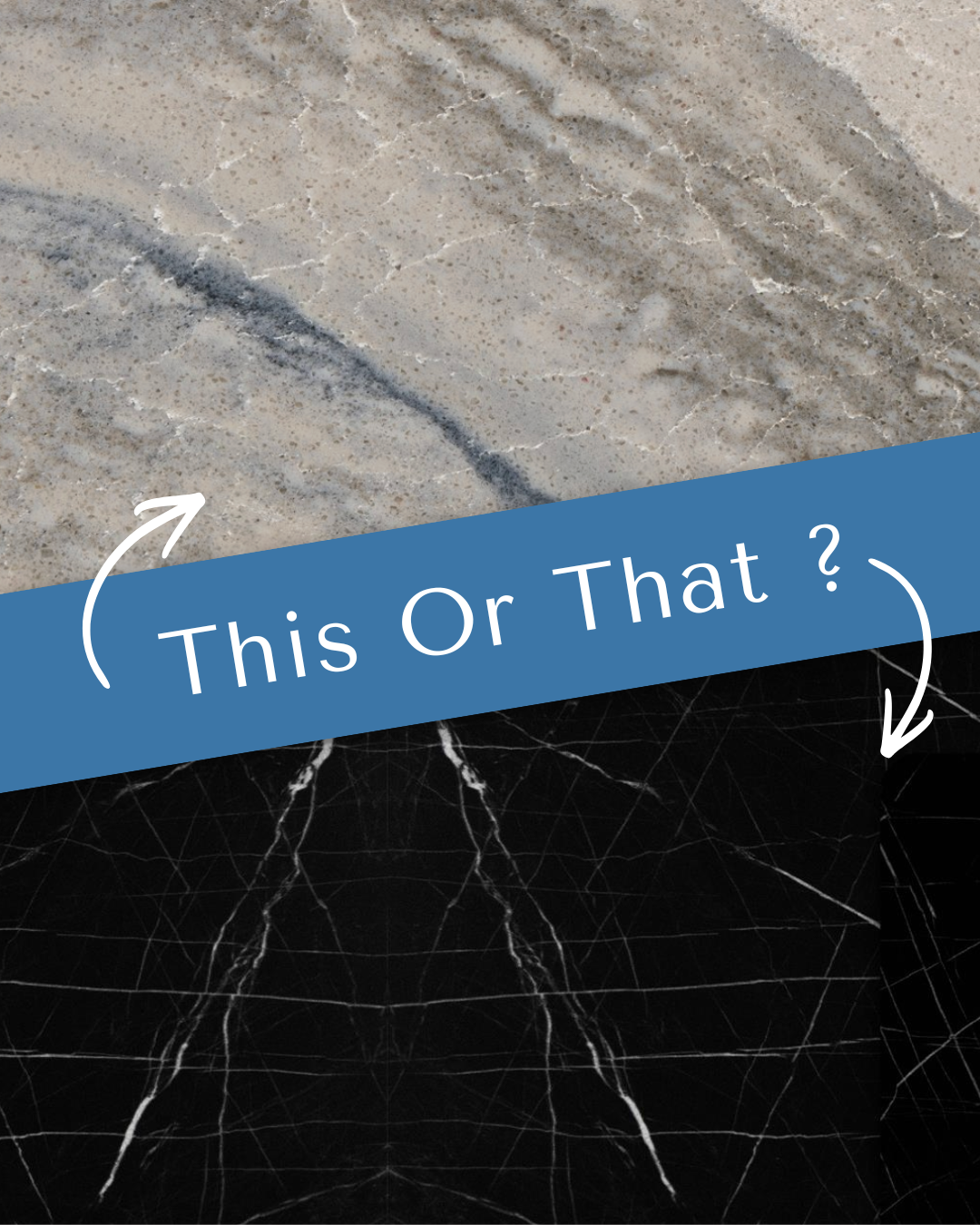
When homeowners begin planning a kitchen or bathroom renovation, one of the most common questions we hear is: “What’s the difference between quartz and quartzite?” The names sound almost identical, but the materials are very different. Both are beautiful, durable surfaces and popular choices in Savannah, GA homes and throughout the Lowcountry. The right option ultimately comes down to how you live. Below, we’ll walk through the differences that we explain to customers every day.
What Is Quartz?
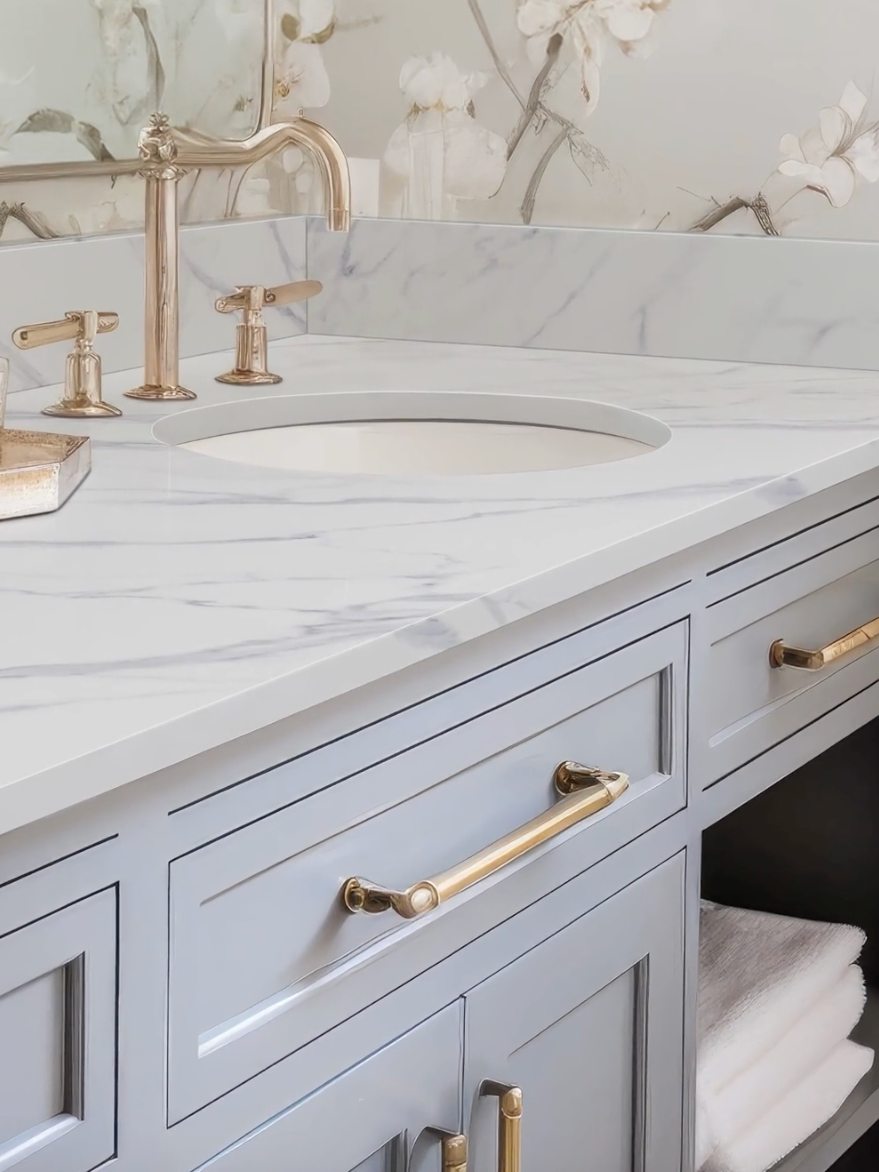
Quartz countertops are engineered stone surfaces made from natural quartz crystals combined with resins and pigments. This process creates a highly consistent, durable material that performs exceptionally well in busy homes. Quartz offers homeowners predictability, low maintenance, and design flexibility – three qualities our customers consistently prioritize.
How does it deliver that? Quartz features a non-porous, highly stain-resistant surface that requires no sealing, making it super easy to maintain. Its consistent patterns and colors also make it easier to achieve a cohesive design aesthetic. Combined, these benefits make quartz one of the most practical and popular countertop materials.
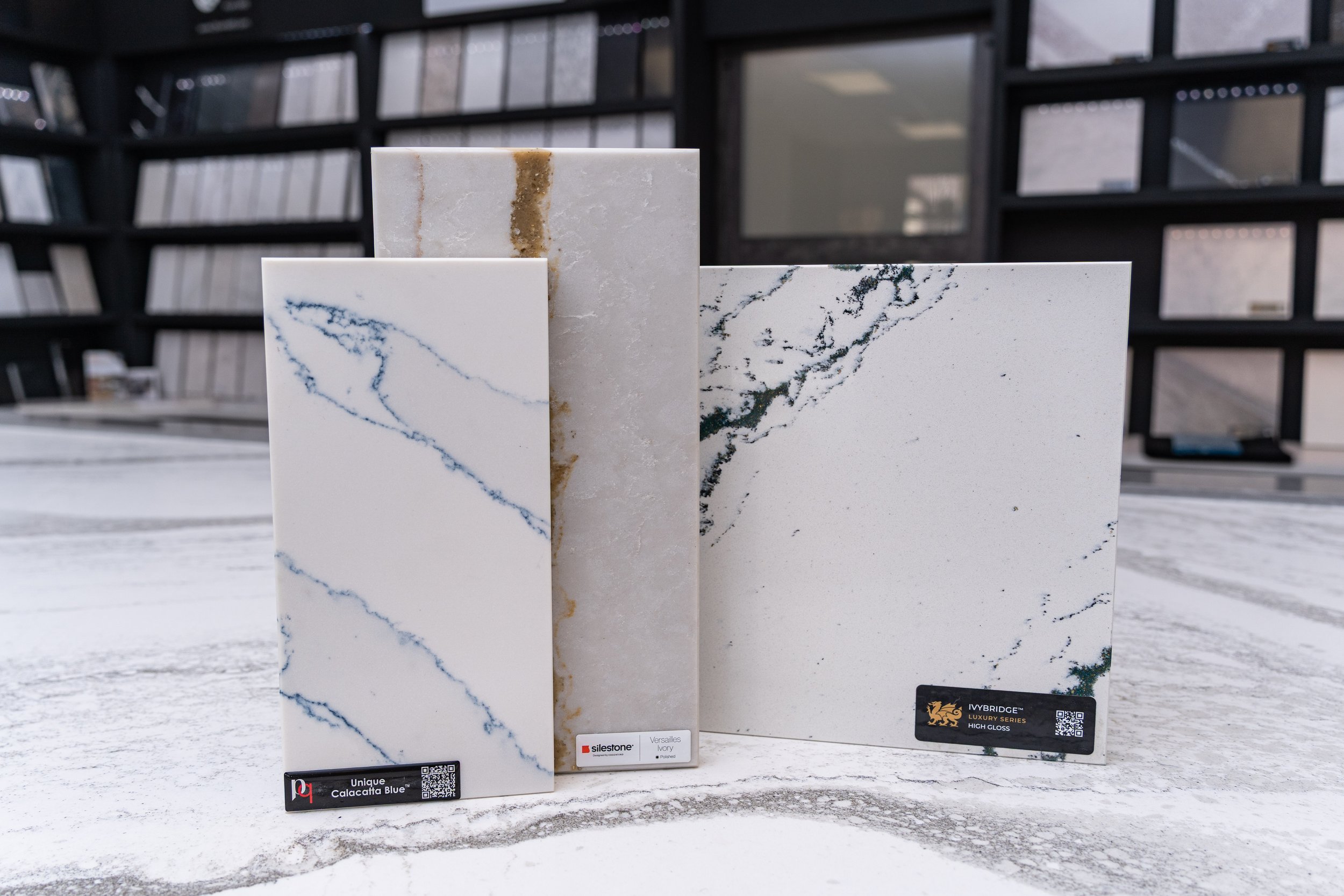
Lately, we’ve seen our clients gravitating towards Cambria’s newest introductions for their organic textures, earthy tones, and veining that mimics natural stone. We also see strong interest in MSI Q Quartz collections thanks to their wide range of contemporary colors and accessible price points. Other popular quartz brands we offer include: LX Hausys, Silestone, and Corian Quartz.
Quartz is a great option for families who want stunning kitchen countertops without ongoing upkeep.
What Is Quartzite?
Quartzite, on the other hand, is a natural stone formed when sandstone undergoes intense heat and pressure inside the earth. The result is an incredibly strong, unique slab with natural movement and character.
Every quartzite slab is one-of-a-kind, something many of our customers fall in love with the moment they see it. We frequently source beautiful quartzite options through partners like Vitoria Stone, where our clients can hand-select slabs based on their natural veining and variation.
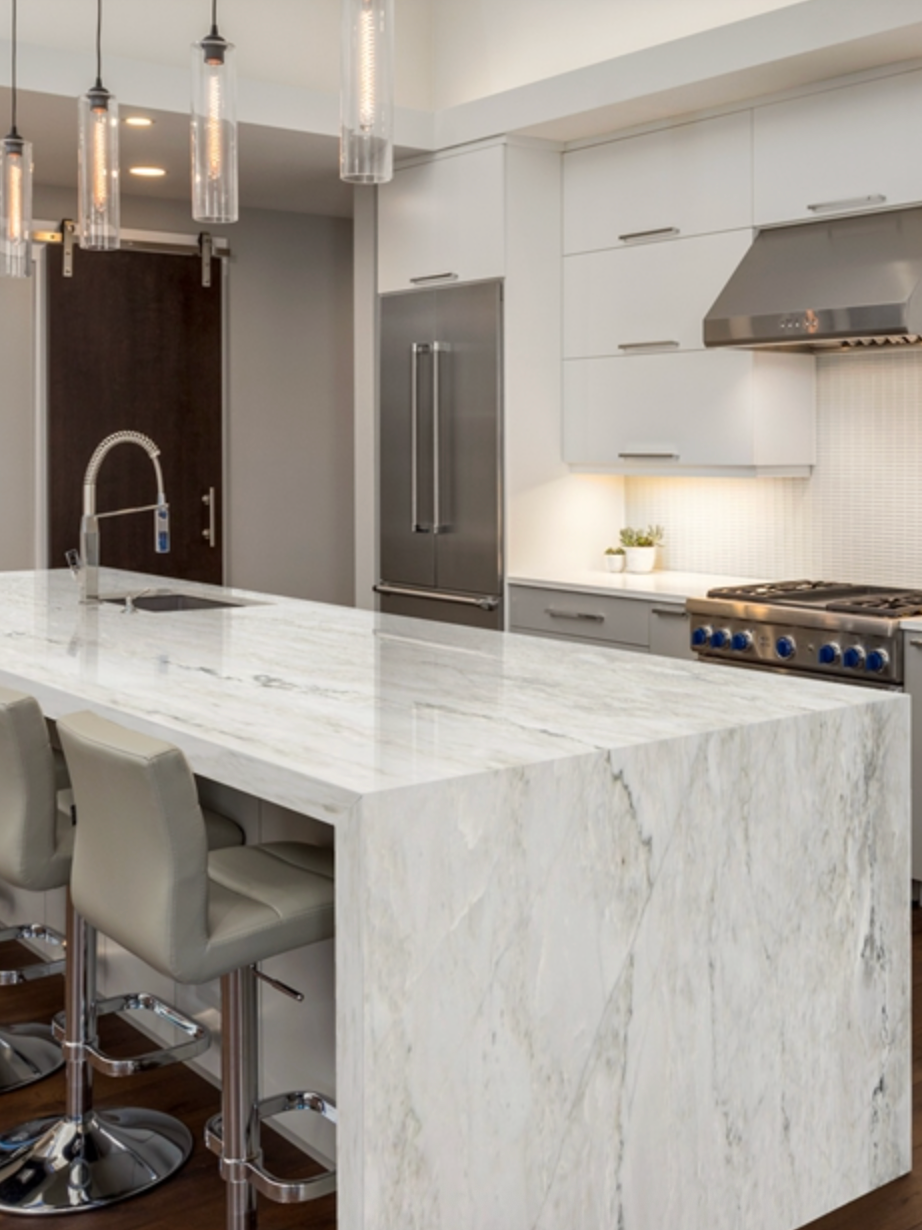
In short, quartzite offers an unmatched combination of natural beauty and long-term durability. It is highly resistant to scratches and everyday wear, while its natural heat resistance makes it especially appealing for avid cooks and busy kitchens. With its timeless character and one-of-a-kind appearance, quartzite brings a refined, high-end aesthetic to any space. If you love the look of marble but want something stronger and more resilient, quartzite is often the perfect compromise.
Which One Holds Up Better?
Both quartz and quartzite are extremely durable, but they perform differently and require different levels of maintenance – often a key deciding factor for homeowners.
Quartz offers excellent resistance to stains and scratches, performs well in high-traffic kitchens, and is very forgiving for everyday use. It requires no sealing and can be easily cleaned with just soap and water.
Quartzite is naturally harder than granite in many cases and highly heat-resistant, making it ideal for active kitchens, but it does require periodic sealing, prompt cleanup of spills, and a bit more attentive stone care to protect against staining over time.
Many Lowcountry Granite customers initially lean toward quartzite for the look but ultimately choose quartz after learning how effortless maintenance can be. Quartzite is often the preferred choice for those who value natural beauty and are comfortable with a bit more upkeep.
Appearance & Design Style
This is where personal preference really comes into play.
Quartz offers consistent veining and coloration, making it a contender for contemporary kitchens that favor a clean, uniform look. Our clients are particularly drawn to Cambria, Caesarstone, and Silestone when they want bold statement islands or sleek transitional designs.
By contrast, quartzite features organic movement and natural variation, with each slab being completely unique, and is often chosen for luxury or coastal-inspired homes that highlight natural character and depth. If you want a kitchen countertop that no one else will ever have, quartzite delivers the natural exclusivity you crave.
Cost Comparison
Pricing varies depending on color, availability, and installation details, but generally quartz offers more predictable pricing across its collections, while quartzite can range more widely based on slab rarity and selection. Because of these differences, we always encourage customers to visit our showroom in person, as seeing the slabs firsthand often makes the decision much clearer.
So… Which Should You Choose?
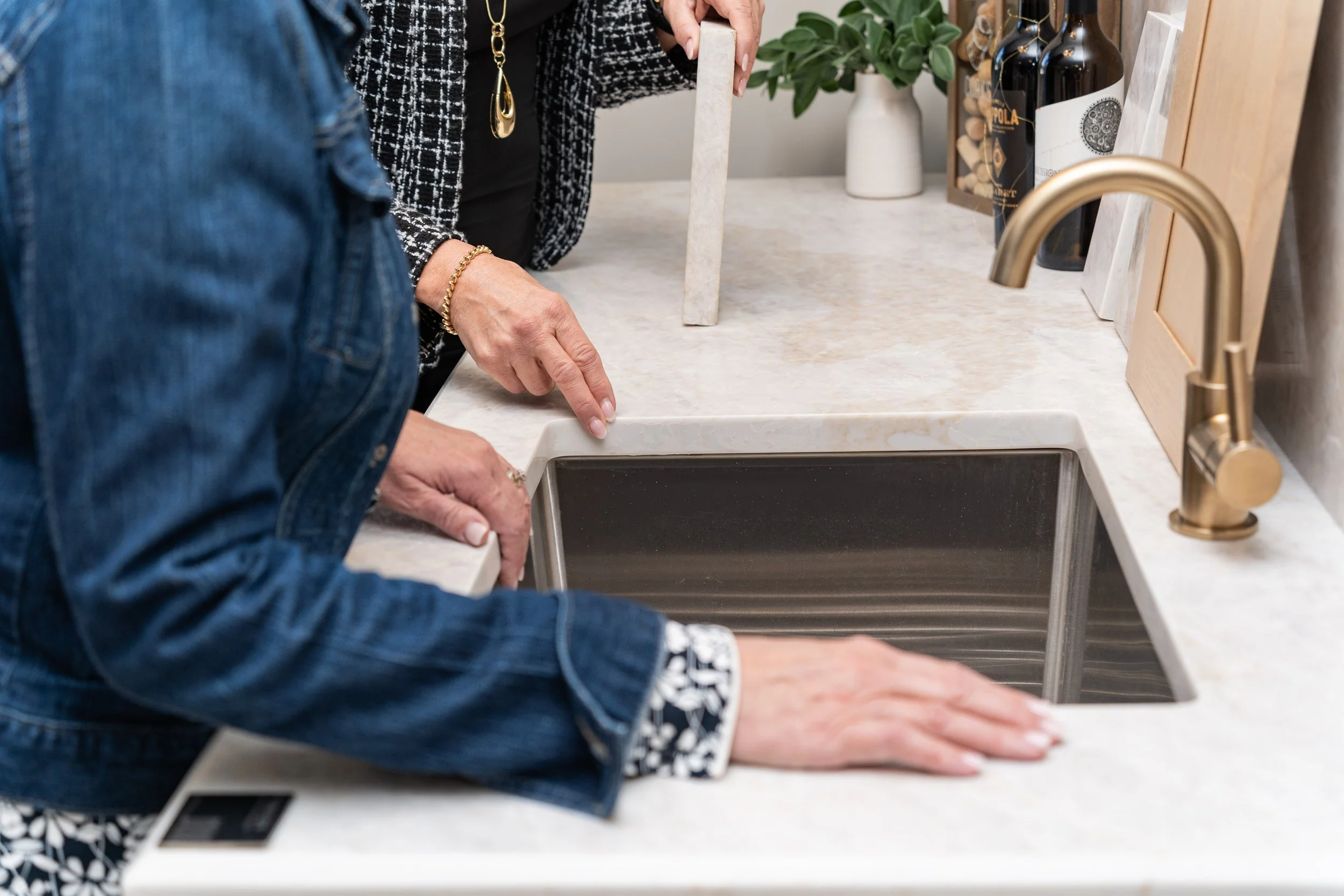
We don’t believe there’s a single “better” material, only the better material for your lifestyle. The best part of our process is helping homeowners and designers compare both materials side by side. We walk through real slabs, discuss how you use your kitchen, and help you feel confident before making a final selection.
Let’s Find the Right Surface for Your Home
If you’re deciding between quartz and quartzite, stop by our showroom and explore the options in person. Seeing the materials, touching the finishes, and talking through your project makes all the difference.
Our team works with trusted vendors like HanStone Quartz and Corian Quartz every day, and we’re here to help you choose a surface you’ll love for years to come. Contact us today!